
Laser teeth whitening is widely recognized as an effective and fast way to brighten teeth, but safety is always a concern, especially for teenagers. At LA Teeth Whitening, our at-home kits are engineered for controlled, low-intensity laser exposure, which reduces the risk of tooth or gum damage.
For teenagers, enamel is still developing, and their teeth are more susceptible to sensitivity. Our system ensures a gentle approach, activating the whitening gel gradually to prevent discomfort. Adults, in contrast, often deal with surface stains from coffee, tea, smoking, or aging. Our at-home laser system is strong enough to remove stubborn stains, but still safe for enamel and gum tissue.
Key safety features of our at-home kits:
- Precise light wavelength to enhance whitening without overheating
- Professional-grade whitening gel at a safe concentration
- Customizable usage duration to suit Age and sensitivity
With proper use, at-home laser whitening is highly safe for both teens and adults. Users must follow instructions carefully, as overuse can cause temporary sensitivity or mild gum irritation.
Why Is Age a Factor in Laser Teeth Whitening Safety?
Age affects both the structure of teeth and how whitening agents interact with enamel.
- Teenagers: Their teeth are still developing, and enamel is thinner and more porous. Overly strong whitening agents or high-intensity lasers could lead to temporary sensitivity or uneven results. That’s why at-home kits like ours are designed with gentle formulas suitable for teens, and parental supervision is recommended.
- Adults: Enamel is fully developed but may have stains from lifestyle habits, older dental work, or enamel wear. Adults can tolerate slightly more intensive whitening, but overuse may increase sensitivity or cause gum irritation.
At LA Teeth Whitening, we tailor our guidance based on Age, ensuring both effectiveness and safety. Age determines how frequently treatments should be done, how long each session lasts, and whether additional precautions (like desensitizing toothpaste) are necessary.
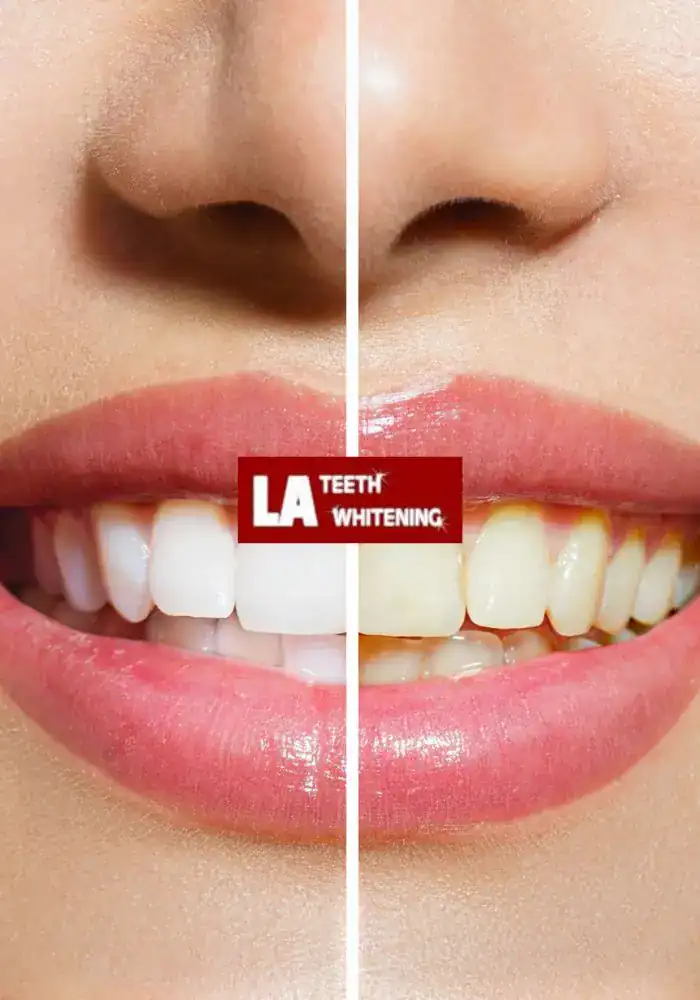
Is Laser Teeth Whitening Approved for Teenagers by Dental Experts?
Dental associations generally support teeth whitening for teens over 16, provided it’s done safely. Most experts caution against high-concentration gels or aggressive in-office lasers for younger patients.
At-home laser whitening, such as LA Teeth Whitening, is considered a safer alternative:
- Lower concentration gel minimizes the risk of enamel erosion
- Controlled laser intensity reduces the chance of gum irritation
- Parental oversight ensures proper usage
Teenagers over 16 can achieve professional-level results at home without exposing themselves to unnecessary risks.
Our kits provide step-by-step guidance, ensuring teens follow best practices and avoid common mistakes, like overapplying gel or exceeding recommended session times.
Can Laser Whitening Damage Tooth Enamel or Gums?
Concerns about enamel damage or gum irritation are common. The truth is: when used correctly, at-home laser whitening is safe.
How our system protects teeth and gums:
- The laser is low-intensity and only activates the gel; it doesn’t generate heat that can harm enamel.
- Whitening gel is formulated for home use, meaning it’s strong enough to remove stains but gentle enough to prevent enamel erosion.
- Gum contact is minimized via a custom mouth tray, ensuring the gel stays on the teeth.
Temporary sensitivity or mild gum tingling is normal and usually resolves within 24–48 hours. Our instructions include tips like using a desensitizing toothpaste and limiting acidic or hot foods after treatment to prevent discomfort. Amazing Offers On Laser Teeth Whitening Prices Here
How Does Laser Whitening Compare to Over-the-Counter Kits for Safety?
| Feature/Concern | Over-the-Counter Kits | LA Teeth Whitening At-Home Laser |
|---|---|---|
| Whitening Gel Concentration | Often high peroxide; can be too strong | Professionally formulated, safe concentration for home use |
| Risk of Uneven Whitening | High; gel or strips may not cover teeth evenly | Low; laser activation ensures consistent whitening |
| Gum Irritation | More likely due to harsh chemicals or improper use | Minimal; mouth tray and gel design protect gums |
| Enamel Safety | Can cause long-term enamel thinning with repeated use | Safe; low-intensity laser minimizes enamel damage |
| Ease of Use | Easy but prone to human error | Step-by-step instructions reduce mistakes and ensure safety |
| Suitability for Teens/First-Time Users | Riskier for sensitive or developing teeth | Safer, gentle, and tailored for beginners and teens |
| Overall Effectiveness | Variable; results may take longer or be patchy | Faster, predictable, professional-level results at home |
How Can Teenagers Maintain Whiter Teeth Without Laser Treatments?
Not all teens are ready for laser whitening. Safe alternatives include:
- Brushing twice daily with fluoride toothpaste
- Flossing to remove plaque buildup
- Avoiding stain-causing foods/drinks like soda, coffee, or dark berries
- Whitening toothpaste approved for teens
- Regular dental cleanings for professional stain removal
For teens who later choose laser whitening, these habits prepare teeth for safer, more effective treatments, ensuring longer-lasting results.
What Are the Most Common Side Effects Among Teens vs Adults?
Side effects are usually mild and temporary:
- Teens:
- Slight tooth sensitivity
- Minor gum tingling
- Typically short-lived due to softer enamel
- Adults:
- Mild sensitivity
- Occasional gum discomfort
- Can be managed with desensitizing toothpaste or shorter sessions
Are Pregnant or Nursing Women Advised to Avoid Laser Whitening?
Yes. Even though our gel is low-concentration, pregnant or breastfeeding women should avoid whitening treatments. There isn’t enough research to guarantee safety for developing babies or infants, so postponing whitening is the safest option. Laser Teeth Whitening FAQs – Your Ultimate Guide
Users can consult a dental professional for advice, but LA Teeth Whitening recommends waiting until after pregnancy or nursing.
How Can Parents Decide If Laser Whitening Is Right for Their Teen?
Parents should consider:
- Age and dental development
- Existing tooth sensitivity or dental issues
- A teen’s ability to follow instructions properly
- Consultation with a dentist for advice
LA Teeth Whitening supports parental supervision, providing safety-focused instructions, customizable session times, and easy-to-use trays, making it simple for parents to feel confident about letting teens use the kit.

What Do Real Teenagers and Adults Say About Their Laser Whitening Experience?
User testimonials highlight safety, convenience, and results:
- Teens: Enjoy quick results with minimal discomfort and a boost in confidence
- Adults: Appreciate the ability to whiten at home without clinic visits or long appointments
- Many users notice gradual, natural whitening without harsh chemicals or enamel damage
Parents and teens often share that at-home laser whitening fits into busy schedules while offering professional-level results. This makes LA Teeth Whitening a preferred choice for safe, convenient, and effective teeth whitening.
FAQs
Q: How often should I repeat laser teeth whitening?
Most people need a whitening top-up every 6–12 months, depending on their diet and lifestyle. Those who consume more staining foods or drinks may need a session sooner.
Q: Why do teeth lose whiteness after whitening?
Teeth naturally pick up stains again from coffee, tea, wine, smoking, and daily wear. Ageing also makes enamel thinner, causing colour to fade over time.
Q: What signs show I need another whitening session?
If your smile looks dull, yellowish, or less bright in photos, it’s usually a sign that the whitening has faded and a top-up is due.
Q: Is first-time whitening different from maintenance whitening?
Yes. Your first session is often longer and gives the biggest colour lift. Maintenance sessions are quicker and designed to keep the shade bright.
Q: What happens if I whiten too often?
Over-whitening can cause tooth sensitivity, gum irritation, and uneven results. It’s important to follow a professional schedule.
Q: Should sensitive teeth wait longer between sessions?
Definitely. If you have sensitive teeth, a gap of 8–12 weeks or more between treatments helps protect enamel and reduce discomfort.
For More Information, Please Contact Us Today